Saturday, 23 March 2013

Natural Therapy for Maintaining Healthy Blood Pressure Part 2


One of the more common treatments for high blood pressure are ACE inhibitors. When your kidneys detect low blood pressure, they release an enzyme called renin, which stimulates the formation of a protein called angiotensin I. Angiotensin I is then converted by the angiotensin-converting enzyme (ACE) in the lungs to a very potent chemical called angiotensin II. Angiotensin II is a powerful blood vessel constrictor that causes muscles surrounding the blood vessels to contract, resulting in narrowing of the blood vessels. This narrowing of the vessels increases pressure in the vessels and can result in high blood pressure .

The ACE Inhibitors block the action of the angiotensin-converting enzyme in the lungs so that angiotensin I is not converted into angiotensin II. This allows blood vessels to remain widened, which results in lowering of the blood pressure.  ARBs block the action of angiotensin II itself, so that vessels dilate, making it easier for the heart to pump blood, and results in lower blood pressure .

The natural bio active casein hydro list tripeptide's in Melaleuca's ProStolic™ act as a natural blocker to the formation of angiotensin II. Also included in this proprietary blend is pomegranate juice powder, which inhibits activity of the angiotensin-converting enzyme as well. A third ingredient is a passion flower extract. Although researchers don't know exactly how passion flower works, they believe that flavonoid and alkaloid compounds in the plant regulate the neurotransmitters in your nervous system that reduce anxiety. One of these flavonoids in particular, Chrysin, helps to calm your central nervous system and lower your blood pressure.

Combined with the proprietary blend of tripeptide's, pomegranate juice powder and passion flower extract, ProStolic™ also contains potassium and calcium to provide a well-rounded natural remedy to help promote healthy blood flow and naturally maintain healthy blood pressure, but without the side effects so common with medications.

Tripeptide's are formed when milk casein is broken down into smaller pieces. Several different peptide's have been studied, but a significant amount of research has determined that the tripeptide's Isoleucine-Proline-Proline (IPP) and Valine-Proline-Proline (VPP) have the most supportive evidence for their efficacy, safety and bio availability
The natural bio active hydrolyzed casein (a combination of tripeptide's IPP and VPP) is an active ingredient included in the proprietary blend in Melaleuca's ProStolic™. These tripeptide's are derived from nonfat milk casein, and have been clinically proven to help maintain healthy blood pressure. Most studies show that blood pressure is lower after 2 weeks of daily consumption of IPP and VPP, and reach a stable level after 4-6 weeks. 

Like the mechanism of action of the commonly prescribed ACE Inhibitors, the natural action of tripeptide's block the formation of Angiotensin II, which normally causes the blood vessels to narrow. But that's where the similarity ends. Studies show that IPP and VPP tripeptide's accomplish the blockage of Angiotensin II without the side effects so common in ACE and ARB medications. In 2001, an 8-week placebo-controlled, double-blind study was conducted on 30 people with mild or moderate hypertension. The results of the study showed a significant decrease in blood pressure of IPP and VPP test subjects, but no change was seen in the placebo group. In addition, no adverse reactions such as dry cough, digestive tract symptoms or abnormal changes were observed. 

Over 20 human clinical trials have been conducted with the IPP and VPP peptide's over the past 10 years and more than 10 double-blind clinical studies have been conducted on the particular formulation of tripeptide's used in Melaleuca's proprietary blend. A 1996 placebo-controlled study on the blood pressure of 30 elderly hypertensive patients, most of whom were taking anti hypertensive medication, showed a significant decrease in both systolic and diastolic blood pressure after 4 and 8 weeks, but no significant changes were observed in the placebo group. 

A British Journal of Nutrition article reported a single blinded, placebo controlled study of 131 people with high-normal blood pressure or mild hypertension to determine the efficacy of hydrolyzed casein containing IPP and VPP in reducing blood pressure. The authors concluded that these peptide's could assist in the prevention of hypertension in people with blood pressure that is above normal.

Melaleuca's Prostolic also contains other natural hypertension treatments including pomegranate juice, passion flower, potassium and calcium.  All the benefits of these natural ingredients will be discussed in Natural Therapy for Maintaining Healthy Blood Pressure Part 3.

Beta Version of Fit-Naturally.com

Friday, 22 March 2013

Blood Pressure Monitors – Why You Should Consider Monitoring At Home


The Heart is Important

Of all the organs of our body the heart is without doubt the most critical and rightly so as, if it stops pumping blood around the body and delivering vital oxygen to the other organs, including the brain, death will occur very quickly.

Many are Ignorant

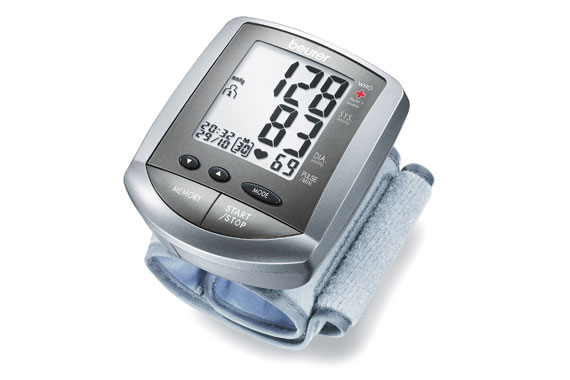
Despite its importance however many of us pay little if any attention to the health of our heart until forced to do so, when it is often too late. And yet keeping a check on the heart by simple routine measurement of our blood pressure could not be easier. As with most things in life, if the heart starts to run into problems then there will be warning signs giving us time to take remedial action and these warning signs often come in the form of abnormally high or low blood pressure. The principle role of the heart is to take freshly oxygenated blood and pump it through the main arteries and then through a network of smaller blood vessels to all parts of the body. As the heart contracts forcing blood out into the arteries pressure is exerted on the walls of the arteries. Then, as the heart relaxes and its chambers refill ready to pump again the pressure in the arteries falls. By measuring these two pressure levels we can get an indication of just how well the heart is pumping blood around the body and thus see whether or not it is working normally. Until quite recently it was necessary to visit the doctor's office to have your blood pressure measured. The doctor would place a cuff around your upper arm roughly at the level of the heart. He would then place his stethoscope over the brachial artery where it runs close to the surface of the skin on the inside of your arm at the elbow and proceed to inflate the cuff. As the cuff is inflated it tightens around the arm preventing blood from flowing through the brachial artery. The pressure in the cuff, which is indicated by a mercury manometer attached to the cuff, is slowly released and the point at which blood starts flowing through the artery, and which the doctor hears as a "whoosing" sound through his stethoscope, is noted. This is the point at which the pressure in the cuff equals the pressure in the artery as the heart pumps blood through it and is known as the systolic pressure. The doctor then continues to slowly release the pressure in the cuff and to monitor the sound of blood being pumped through the artery until no sound at all is detected. At this point the manometer indicates the pressure in the artery as the heart is at rest and refilling ready to pump again. This lower pressure is known as the diastolic pressure. Blood pressure will vary from person to person and will also rise and fall within each of us depending on a variety of factors such as the time of day, our level of activity, whether we are feeling stressed, our general state of health and whether or not we are currently taking particular forms of medication. For the average person at rest however systolic blood pressure will be around 120 mm Hg (millimeters of mercury) and diastolic blood pressure will be 80 mm Hg. As an indication of the degree of variation between individuals, and within any one person, the normal range of systolic pressure is considered to be 90 – 135 mm Hg and the normal range of diastolic pressure is 50 – 90 mm Hg. If your blood pressure falls outside these readings, then your doctor will need to investigate further to discover why your blood pressure in either unusually high or unusually low. Since most of us do not visit the doctor on a regular basis, and only venture into the surgery when we absolutely have to, it can often be many months, or even years, between blood pressure checks and we could well be walking around blissfully unaware that we have a time bomb ticking away inside us. Today however there is a whole range of very simple to operate and relatively inexpensive blood pressure monitors available for use in our own homes and absolutely no reason at all for not keeping a regular eye on our most valuable organ. So, before tragedy strikes either you or one of your loved ones, why not take a few minutes to check out the range of blood pressure monitors available and buy yourself some peace of mind.

Hormones Effect and Aging


Aging can affect all of us by changing our hormone levels.

As we age the level of hormone that is formed by, our glands decline. Our glands produce the hormones and release them through the bloodstreams. As we grow older, hormone production slows. To correct the slowness sometimes hormone replacement is essential. Before you jump the gun, however, searching for replacement take note that medical experts discovered that men who seek hormone replacement therapy should consider carefully. The replacement therapy is behind, or part of the cause of prostate cancer. You want to check with your doctor always before taking any non-prescribed supplements, therapy treatments, etc. 

The 2 Major hormones

Testosterone and Estrogen. We start to lose these necessary elements as aging progresses. Our body relies on estrogen and testosterone to keep our metabolism, sex reproduction functions and so forth healthy. 

Testosterone

Is not only important for the men but women too.  Men need a higher-level of testosterone. The hormones are what promote facial hair, larger muscles, and deeper voices. Testosterone is what makes the men seem younger and helps them to perform sexually, since it is their drive. As it lowers in men, they lose their sex drive. On the other hand, too much testosterone in our bodies can induce side effects, such as heart disease and enlarge the prostate glands. For this purpose, you want to consult with your doctor before taking replacement hormone therapy. 

Estrogen


The other major hormone that our bodies need to keep up with life in general.  Women take estrogen to counteract menopause by taking a supplement direct by their doctor. Taking estrogen can also help reduce the risk of osteoporosis, heart disease, Alzheimer's. Estrogen therapy reduces our risks, yet side effects can lead to the uterus or breast cancer. Some women experience blood clotting while others may not. In addition, some women have endured heart attacks and strokes after taking estrogen therapy units. Like all other supplements or treatments over-the-counter, one must consult with their physician before taking the treatments. Discuss the good and bad points of taking replacement therapies, such as estrogen and testosterone.

Do you have a hard time sleeping at night?

Maybe you’re lacking the Melatonin hormone. The lack of melatonin is known to interrupt sleep patterns as we age. Our glands produce Melatonin and it slows down, as we grow older. The study shows that while we are sleeping during the hours of 8PM and 5AM, is when this hormone is produced the most. By taking Melatonin supplements, it can help in the reduction of breast cancer and help to reverse aging along with improving our sleep. The side effects may include drowsiness. Melatonin can cause the blood vessels to constrict as well. It depends if your body has sufficient or deficient amounts. Again, talk with your doctor first. Melatonin according to few can cause heart conditions. Melatonin is dangerous to those diagnosed with high blood pressure. Like most things, it is very important to consult your physician before taking this supplement.

Discussing the aspects of healthy aging:

We have various aspects of the body to consider when discussing healthy aging. Our body produces hormones, cell bodies, neurons, and so on. When our bodily functions are interrupted, it affects the body and the mind as a whole and determines how fast we will age. Still, you must consider that environmental factors, doctors, medications, smoking, using alcohol excessively and so forth plays a part in our aging process. In fact, we have to review normal aging verses abnormal aging when considering healthy aging.

Prevent Bone Disease


Each day we live, we grow older failing to see that our bones and muscles demand activities to continue strength, endurance and resistance to life’s nasty living demands. Our bones need continued activities throughout our lives starting as a child. Until we turn 30, the bones continue to build. After this age, the bones begin to disintegrate. You can cut back this degeneration process by taking care of your bones in youthful days.  

How it is achieved:

Bone health is achieved through activities, such as exercise. In addition, you maintain healthy bones by increasing calcium. Supplements are available, which include the FDA marked remedies to help reduce bone loss from natural aging.

Taking calcium is very important during our entire life. 

Children should drink 2 cups of milk each day and adults 3 cups. Calcium in food is better to take than pills because you get more of it; food sometimes doesn’t have the right amounts in it due to the way it has been processed. Get that calcium in your body at an early age and keep it there. Besides calcium however, your bones demand a mixture of magnesium. You will also need a healthy dose of phosphorous. Vitamin D facilitates calcium to flow through the bloodstream. Free flowing bloods make a healthier you. 

To improve bone, we also need to start at an early age getting plenty of vitamin D. As we get older, we have a tendency to stay out of the sun more. Don’t sit in the house all day. Rather try to get outside around noon and get some sun with all those vitamin D rays. Supplements can be used but again the sun is better. Maybe take a walk for 15-20 minutes each day to get the sun. 

As our aging into the later years of our life, we have to keep those bones strong. You can benefit from weight bearing works, such as walking. Keeping those bones strong will help you survive falls. The falls is one of the leading reasons of bone breakage or fractures, especially as we grow older. 

Unfortunately, adolescents don’t realize the importance of taking care of our bones. As these adolescents pass puberty however, their bones start to decline. Once a person reaches 50, the bones start to deteriorate, which puts you at high risk of fractures, disease and breakage. As the bones weaken, the muscles and joints will also degenerate. Injures then can lead to gouty arthritis, arthritis, osteoporosis and so on. 

The high-risks of bone fractures are charted, which include hip fractures being the most common injury amongst the elderly. Hip fractures may sound like a minor ordeal, yet the truth is hip fractures are responsible for some deaths. 

Weak bones are avertable even once you are in middle age. It’s never too late to repair or mend our bodies.

Staying fit is the key to preventing risks of disease, hip fractures etc. since the bones will stay healthy. In view of the fact, you want to consider a daily schedule, which includes activities and exercise. You want to keep those muscles free to move, since the muscles protect the bones. Stretch workouts and exercise will prevent your joints from feeling stiff as well, which joints support the muscles and bones. 

When you exercise you, maintain weight. As you start to age, the body fat increases to more than 30%. This adds too much weight for the muscles, joints and bones. Carrying around this kind of weight on the feet, legs, etc. will cause problems later. Maintaining your weight will help prevent and lower your risks of heart disease, bone disease, high-blood, high-cholesterol, diabetes and so on.

Thursday, 21 March 2013

10 Common Symptoms And Signs Of High Blood Pressure


Briefly Hypertension has following 10 common symptoms.

  1. Headache
  2. Nosebleed (Epistaxis)
  3. Breathlessness
  4. Tinnitus (Ringing in Ears)
  5. Sleepiness, Ansomnia
  6. Confusion
  7. Fatigue
  8. Profuse sweat
  9. Vomiting
  10. Low libido or lack of sexual desire
  11. Blurred vision

High Blood pressure is the measure of force against arteries. Do you have high blood pressure? Do you know what are common symptoms and signs of high blood pressure? This article will give you comprehensive information about common signs and symptoms of high blood pressure.

Usually people ignore high blood pressure. 

Even those who take medicine, only take anti hypertensive medication for a short time. Studies have proved that 90% of high blood pressure patients show noncompliance with their medication. If you will not control your blood pressure it may lead to serious problems with your Heart, Kidneys, Brain and Eyes. If you want to save these vital organs , then you will have to control your blood pressure within limits.

Normal blood pressure is 120/80. 

If this reading goes above 140/90, then you consider yourself as a hypertensive patient. Between 120 and 140 is a pre hypertensive stage. Which can be controlled even by natural measures like exercise, low salt intake, stop smoking, lower cholesterol, eats vegetables etc.

How will you come to know that you have high blood pressure?

High blood pressure typically has no symptoms at all, that is why we can call it as Silent killer. Although there are many coincidental symptoms that are widely believed to be associated with high blood pressure. These include headaches, nosebleeds, dizziness, a flushed face and fatigue. Although people with high blood pressure may have many of these symptoms, they occur just as frequently in those with normal blood pressure. Why these symptoms occur, If a person has high blood pressure that is severe or longstanding and left untreated, symptoms such as headache, fatigue, nausea, vomiting, shortness of breath, restlessness, and blurred vision can occur as a result of damage to the brain, eyes, heart and kidneys. In rare cases, high blood pressure may cause brain swelling, which can lead to drowsiness and coma.

If you have not above symptoms, it does not mean that you have no high blood pressure.

Remember most common symptom of high Blood pressure is that " It Has No Symptom". Best way to keep you healthy is to have your blood pressure checked at regular intervals.

Wish you all the good health.

Wednesday, 20 March 2013

How to eat the right food to prevent aging


You have to eat right in order to stay healthy. If you do not eat right, your body does not receive the nutrients it needs to stay healthy. You have to eat so it fuels your body. Similar to a motor vehicle, which you add gas to travel; the body requires food that promotes energy, making it go. Too much food is not good for you and not enough of the right food can be harmful to your health.

Choosing good foods to eatChoosing good foods to eat:

Not all foods are good for you, yet liver is loaded with iron which is good for your blood, but too much isn’t good for you either. Fruits and vegetables are good for you but again not too much because the fruit will turn into sugar and that’s not good for you. Too much may give you the gibes, especially if you have to watch your weight. You can get high cholesterol as well from food if your not careful. High cholesterol can lead to harden arteries, which follows by strokes or heart attacks. So you need to eat but watch what you are eating and how much of it in a day's time.

How will I know if am not eating rightHow will I know if am not eating right?

When you go to your doctor, he will tell you if you need to go on a diet. Your doctor will be able to tell by your weight. Then he may put you on a diet to lose weight or a diet to help you gain weight. He will tell you want to eat and how much as well as what not to eat. Then he may tell you to excise everyday. You have to be able to burn up what you take in so it will not turn into sugar or fat. Remember that you should try to feast from the four food groups. Try to make sure that you only eat the amount your suppose to, and get your excise that you need to make you healthy. You can always call your family doctor to ask him how doing something if you don’t know how they will also help you to learn how to count your calories as well it is a big job when it comes to dieting you have to know how to count your calories and weigh your food. If you don’t you are not going to want you suppose to do. The world is filled with support groups that will help you if need support. More than likely you can go to your local hospital and they will know how to get you in touch with a group. These groups are great. The groups will give you support during the time that you need help. At group meetings, you will meet people with the same problems you have and you can give each other the support. Just remember to set a goal but don’t make it so high that you can’t do it and give up. Start out a little at a time and then as you get better you can get an increase your plans. In addition, what ever you do try to stick to it, it takes will power and control.

Willpower the master:

Willpower is a powerful mechanism inside you. If you want to find this willpower take a seat, sit down and talk with you to see what you can find. As you learn more about you, you gain willpower that takes you beyond your abilities, which means you will have a healthy aging in the future.

Dealing with Diabetes to Enjoy Healthy Aging


Dealing with Diabetes to Enjoy Healthy AgingLearning to deal with diabetes is never easy. It is bad enough we have to live in a greed-based world filled with confusion, violence, media junk, and so on. Still, those with diabetes can live healthy providing they adhere to diet, medications and exercise. Diabetes is a serious condition. The disease is the mother of all disease in the world and it is a killer. 

What is diabetes?

Diabetes is a disease that you can get if you do not eat right or take care of your body. Genetics plays a part in diabetes as well. In fact, hereditary is a hard cause of the problem. The disease can cause blindness. The disease can lead to amputation of legs, or feet. Diabetes is a disease that when your body does not produce enough insulin to break down sugar in the bloodstream. Diabetes includes two types, yet various levels are considered. Diabetes includes Diabetes Insipidus and Mellitus. The first diabetes is where your body is incapable of producing enough insulin to do what it's supposed to do. This type of diabetes is treatable. You will need medications, exercise and strict diet to maintain your health. Diabetes Mellitus has five types. Each type results from insulin interruptions whereas the system is disrupted. The disruption causes chaos within the body’s ability to function. The body cannot act naturally and it takes insulin shots to treat this condition depending on the type.

How would I know that I have this disease called diabetes?

If you go to your doctors on a regular basis, your doctor will monitor your health. If you have a family history of diabetes, let your doctor know so he/she can conduct random testing. A glucose test is necessary to find diabetes. Blood lab tests are useful also to spot diabetes.

What you should watch for?

Drinking but not filling your thirst quench. If you feel fatigue often and don’t know, then you should be tested. Diabetes, depending on the type makes a person feels weak, endure pain, lose weight, gain weight, etc. The disease is so confusing to the bodily functions that it doesn’t know the direction to head.

What can I do to help me not to get this disease?

No one has control over disease but you. If you adhere to regular checkups, the doctor can spot the disease at an early stage, which the disease then can be managed. You need to eat right and do excises daily to help maintain your weight, since diabetes takes delight in feeding the disease to the point of death.

What happens to those with diabetes?

Unfortunately, the disease is not partial. The disease targets young and old alike. Once the disease develops it puts the person at risk of blindness. Some people lose their legs or other limbs resulting from diabetes. Most people with diabetes are at risk of kidney failure. If you already have diabetes then listen to your doctor and follow all instructions. One of the top recommendations of diabetes patients is to consume much fluid. Your body is losing fluids as diabetes drains your bodily organs of its natural elements. You will also need to avoid saturated fat foods and basic sugars. In addition, your doctor will need to test you regularly to control your illness. You want to take care when diabetes is present since it can lead to meningitis, headaches, tachycardia, dehydration, muscle weakness, pain, and so on. In addition, you may endure blurred vision, sexual dysfunctions, slow healing, and so on. Again, diabetes is a killer; so take care of your health.

Beta version of Fit-Naturally.com